Source electronic wheel alignment finger claw for Tire Shops, Body Shops, and 4S Workshops
Find 30 electronic wheel alignment finger claw options from Dongguan, China. Buyers can compare models like SX192 and AG-100, noting features such as nylon construction, wireless communication modes, and lifting capacities ranging from 2t to 2.5t for various workshop applications.
Key considerations
Products List


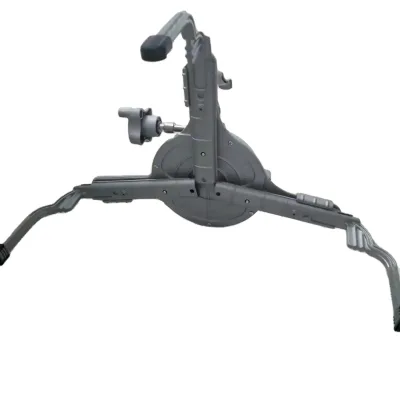
Comprehensive Sourcing Guide
Strategic Sourcing Guide for Electronic Wheel Alignment Finger Claw Systems
The global automotive aftermarket and workshop sector increasingly relies on precision diagnostic and repair equipment to maintain vehicle safety and performance standards. Among the critical components in this ecosystem, the electronic wheel alignment finger claw represents a specialized interface between the vehicle's suspension geometry and the alignment system's data acquisition hardware. For procurement professionals, understanding the nuances of this component is essential, as it dictates the accuracy of wheel angle adjustments, the efficiency of the lifting process, and the overall reliability of the workshop's diagnostic workflow. This guide synthesizes observed market data and technical attributes to provide a structured approach for sourcing these systems without relying on unverified claims or speculative market figures.
Technical Architecture and Component Specifications
The core functionality of an electronic wheel alignment finger claw system is defined by its structural composition and communication capabilities. Based on observed product attributes, these systems are available in both electronic and mechanical configurations, though the electronic variant is preferred for high-precision applications requiring real-time data transmission. The structural integrity of the claw is often supported by materials such as nylon, which offers a balance of durability and weight reduction, or through nickel-plated surface treatments that enhance resistance to corrosion and wear in demanding workshop environments.
Size specifications vary significantly depending on the intended application and the specific model of the alignment machine. Market observations indicate standard dimensions such as D25L54mm and D1587mm, which serve as critical parameters for compatibility with various vehicle suspension geometries. The product models identified in the current supply landscape include SX192, sx424, SX262, SX191JT016, sx522, AG-100, AG-300, AG400, and ACO-100. Each model may possess distinct characteristics regarding lifting capacity, with observed specifications ranging from 2t to 2.5t. This variance suggests that buyers must match the claw's load-bearing capacity to the specific weight class of the vehicles they service, particularly when dealing with heavy-duty trucks or large SUVs.
The communication mode is another pivotal technical differentiator. Systems are observed to utilize wire communication, infrared wireless communication, or Bluetooth wireless communication. The choice of communication protocol directly impacts the setup time and the flexibility of the alignment process. Wireless options, such as Bluetooth or infrared, facilitate a "without cabinet" design, saving valuable floor space in compact tire shops or body shops. In contrast, wire communication may offer enhanced stability in environments with high electromagnetic interference, though it requires more extensive cabling infrastructure.
Compliance, Certification, and Safety Standards
In the B2B procurement of automotive diagnostic equipment, compliance with international safety and environmental standards is non-negotiable. The supplied product data indicates that reputable manufacturers in this sector typically adhere to a robust certification framework including GS, CE, RoHS, and ISO standards. The presence of CE and ISO certifications is particularly critical, as they verify that the equipment meets European safety requirements and international quality management benchmarks.
Buyers must verify that the specific finger claw systems they procure carry these certifications explicitly. While some product listings mention CE and ISO as general attributes, others list a broader suite including GS and RoHS. The RoHS certification is essential for ensuring that the electronic components within the claw system do not contain restricted hazardous substances, aligning with global environmental regulations. The GS mark indicates German safety certification, which is often a proxy for high safety standards in mechanical and electrical engineering.
It is important to note that while IEC 17025 is a recognized standard for testing and calibration laboratories, its direct application to the manufacturing of the finger claw itself is less common than the product-level certifications mentioned above. Procurement teams should prioritize the GS, CE, RoHS, and ISO certifications found in the product specifications as the primary indicators of compliance. Verification of these certifications should be conducted through official documentation provided by the supplier, rather than relying solely on marketing claims.
Cost Drivers and Pricing Dynamics
The pricing structure for electronic wheel alignment finger claw systems is influenced by a complex interplay of factors, including material composition, communication technology, and the level of integration with the main alignment unit. The observed market price range spans from $1 to $6,000 USD, reflecting the diversity of products available, from individual replacement claws to complete integrated systems with advanced software and display units.
Several key drivers influence where a specific product falls within this range. First, the inclusion of advanced features such as independent software, multi-language support, and automatic lifting capabilities significantly increases the cost. Systems equipped with large displayers, such as a 32-inch oversized screen paired with a 21.5-inch normal display, command a premium due to the enhanced user interface and data visualization capabilities. Second, the communication mode plays a role; wireless systems with Bluetooth or infrared capabilities often carry a higher price point than wired counterparts due to the added complexity of the wireless modules.
The Minimum Order Quantity (MOQ) is another critical cost factor. Observed MOQs range from 1 to 5,000 units, offering flexibility for small workshops purchasing single units while accommodating large distributors or fleet operators requiring bulk orders. Packaging requirements also impact the final cost; standard exporting packages, PE bags, and plywood box packages are common, with the latter often required for international shipping to prevent damage. Buyers should evaluate the total cost of ownership, including shipping and packaging, rather than focusing solely on the unit price.
Typical Applications and Operational Context
Electronic wheel alignment finger claw systems are designed for a wide array of automotive service environments. The primary applications identified include tire shops, body shops, and 4S workshops. These facilities require equipment that can handle high volumes of vehicles while maintaining precise alignment data. The versatility of the systems is further enhanced by their ability to perform multiple functions, including wheel angle adjustment, lift operation, and tire repair support.
The application context often dictates the specific configuration required. For instance, a tire shop with limited floor space may prioritize systems with a "without cabinet" design that saves space, utilizing wireless communication to reduce cable clutter. Conversely, a large 4S workshop servicing a diverse fleet of vehicles may require a system with a higher lifting capacity (2.5t) and robust mechanical structures to handle heavy vehicles. The availability of optional machines, such as car lifts, tire changers, and wheel balancers, suggests that these finger claw systems are often part of a larger, integrated workshop ecosystem.
Furthermore, the software capabilities are crucial for modern applications. Systems featuring independent software and global multi-language support ensure that technicians can operate the equipment efficiently regardless of their native language. The ability to update the system via the internet ensures that the equipment remains current with the latest vehicle models and alignment standards, a vital feature for workshops dealing with new vehicle technologies.
Supplier Evaluation and Quality Assurance
When evaluating potential suppliers for electronic wheel alignment finger claw systems, buyers must look beyond the basic product listing. The origin of the products, often cited as Dongguan, China, or generally China, provides a baseline for understanding the manufacturing ecosystem. However, the location alone does not guarantee quality. Buyers should assess the supplier's adherence to the observed standards, specifically the product standard "Standard" and the specific model standards like "3D" for alignment systems.
Quality control should focus on the consistency of the product attributes. For example, the gross weight of the system, observed at 350kgs for certain models, must be consistent with the specifications provided to ensure safe handling and installation. The warranty period, observed as 18 months for some models, is a strong indicator of the manufacturer's confidence in their product's durability. Buyers should verify that the warranty terms are clearly defined and that the supplier offers support for the software updates and maintenance required to keep the system operational.
The customization availability is another key factor in supplier evaluation. The ability to customize the product allows buyers to tailor the equipment to their specific workshop needs, such as specific color options (Red, Blue, Orange, etc.) or specific packing requirements. A supplier that offers robust customization options is likely to be more responsive to the unique challenges of different market segments.
Long-Term Procurement and Maintenance Considerations
Sourcing electronic wheel alignment finger claw systems is not merely a transactional activity but a long-term investment in workshop efficiency. The longevity of the equipment depends on the quality of the materials used, such as nylon and nickel plating, and the reliability of the electronic components. Buyers should consider the maintenance requirements associated with the different communication modes. Wireless systems may require periodic battery checks or firmware updates, while wired systems may require cable inspections for wear and tear.
The update method, specifically "by Internet," highlights the importance of connectivity in the long-term viability of the equipment. Buyers must ensure that their workshop infrastructure supports the necessary internet connectivity for these updates. Additionally, the standardization of the product, such as the specific size standards (D25L54mm, D1587mm), ensures that replacement parts or upgrades are readily available in the future.
Finally, the procurement strategy should account for the scalability of the equipment. As a workshop expands or changes its service offerings, the ability to integrate additional optional machines or upgrade the software becomes crucial. A supplier that provides a comprehensive ecosystem of compatible equipment, including car lifts and tire changers, can simplify the procurement process and ensure seamless integration of new technologies. By focusing on these long-term considerations, buyers can secure a reliable supply chain that supports the continuous growth and operational excellence of their automotive service business.
FAQs
What certifications do electronic wheel alignment finger claw systems typically have?
These systems typically carry GS, CE, RoHS, and ISO certifications. Buyers should verify specific documentation for each model, as some listings may only show CE and ISO. These marks confirm compliance with safety and environmental standards.
Which communication modes are available for these electronic systems?
Available modes include wire communication, infrared wireless communication, and Bluetooth wireless communication. Wireless options often enable a without cabinet design to save space, while wired modes may offer stability in high-interference environments.
Can buyers customize the product specifications and packaging?
Yes, customization is available for these systems. Buyers can request specific colors like red or blue and choose from packaging options such as PE bags, standard exporting packages, or plywood box packages depending on shipping needs.
What are the standard size specifications for the finger claws?
Standard size specifications include D25*L54mm and D15*87mm. These dimensions are critical for compatibility with various vehicle suspension geometries and should be matched carefully to the specific alignment machine model being used.
How is the software updated for these alignment systems?
The software is updated by Internet. This connectivity ensures the equipment remains current with the latest vehicle models and alignment standards, which is vital for workshops dealing with new vehicle technologies and safety requirements.
What is the typical warranty period for these products?
The warranty period is observed as 18 months for some models. Buyers should verify that warranty terms are clearly defined and that the supplier offers support for software updates and maintenance to ensure long-term operational reliability.
Which lifting capacities are available for these systems?
Observed lifting capacities range from 2t to 2.5t. Buyers must match the claw's load-bearing capacity to the specific weight class of the vehicles they service, particularly when dealing with heavy-duty trucks or large SUVs.